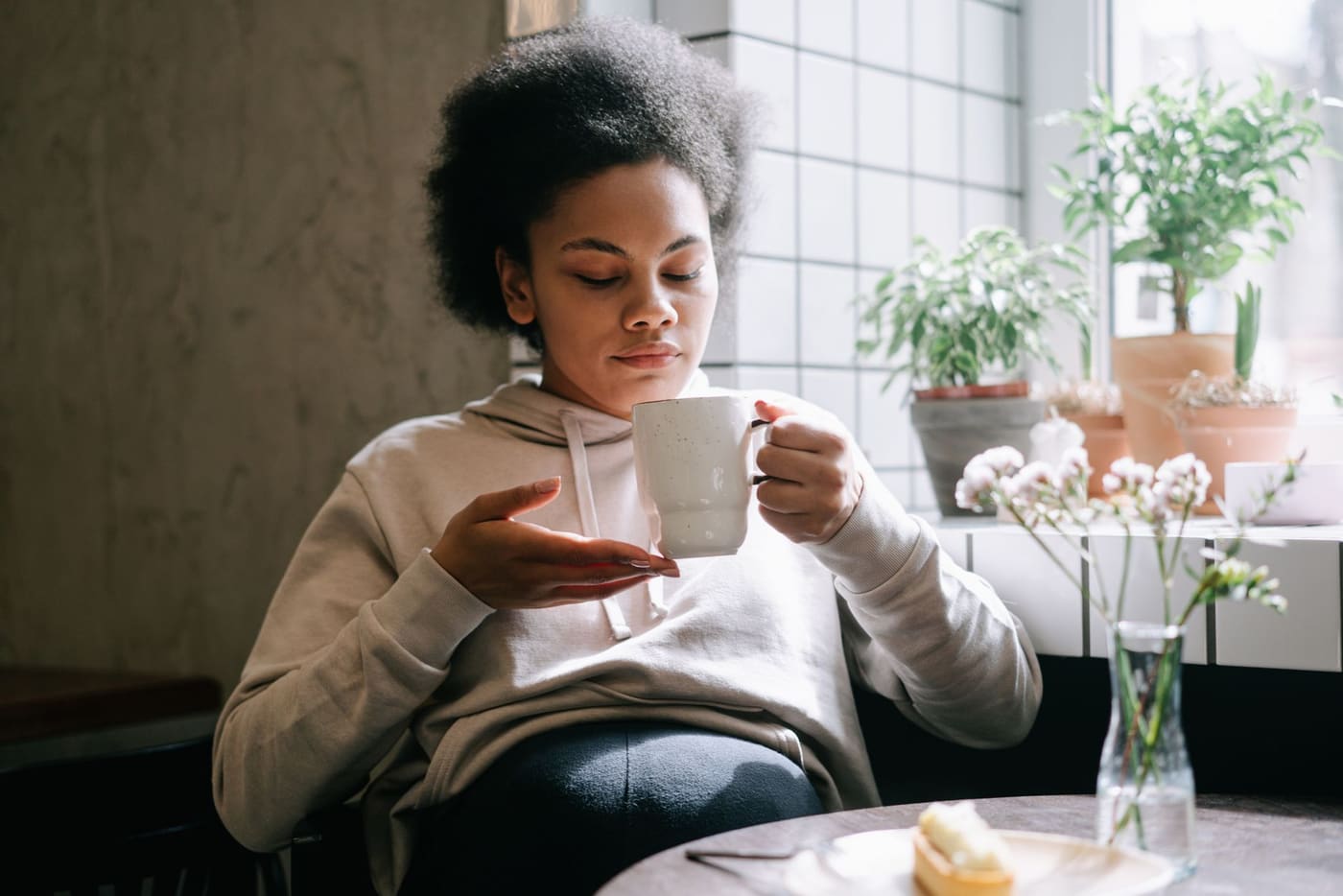
Ongoing stress can wear down mental health by disrupting sleep, raising anxiety, increasing irritability, and draining the energy you need to recover. For many women, stress also overlaps with hormonal shifts, caregiving, and work demands, so it rarely has a single cause. Short bursts of stress are normal, but when it stays high for weeks and starts to affect how you function, it is worth treating as a health issue, not a personal failing.
The sections below explain what stress does in the body, how it shows up, why women often carry a particular mix of pressures, what helps, and when to get professional support.
What stress does in the body
When you perceive a threat or a heavy demand, your brain activates the stress response. The adrenal glands release hormones including cortisol and adrenaline, heart rate and blood pressure rise, and energy is directed toward dealing with the problem. This is useful in short bursts.
The trouble starts when the response rarely switches off. Constant deadlines, caring for children or parents, financial strain, and poor sleep can keep the system running day after day. Over time, long-lasting stress is linked with sleep problems, headaches, muscle tension, digestive upset, changes in appetite, and a higher risk of anxiety and depression.
Stress is not the same as an anxiety disorder or depression. Stress usually has an identifiable source and eases when the source does. Anxiety disorders and depression are conditions that can persist even when circumstances improve, and they respond to specific treatment.
How stress shows up
People tend to expect stress to feel like worry. It often looks different:
- Emotional: Irritability, feeling overwhelmed, tearfulness, a short fuse, dread, or numbness.
- Mental: Trouble concentrating, forgetfulness, racing thoughts, difficulty making simple decisions.
- Physical: Tension headaches, jaw clenching, stomach upset, tight shoulders, fatigue that sleep does not fix, a racing heart.
- Behavioral: Pulling away from friends, eating more or less than usual, relying more on alcohol, scrolling late at night, skipping things you used to enjoy.
- Sleep: Difficulty falling asleep, waking at 3 or 4 a.m. with a busy mind, or sleeping long hours without feeling rested.
Sleep deserves special attention. The CDC advises adults to get at least 7 hours a night, and short sleep makes mood and stress tolerance noticeably worse. Stress disrupts sleep, and poor sleep amplifies stress, which creates a loop.

Why the load can look different for women
Stress affects everyone, but several patterns make it especially layered for many women. These are common patterns, not universal ones, and plenty of men and non-binary people carry the same loads.
The mental load
Beyond visible tasks, many women carry the planning and remembering for a household: appointments, school forms, meals, family birthdays, and who needs what. This invisible organizing work rarely ends, and it can feel like having no time off even when you are physically resting.
Caregiving and work together
Many women combine paid work with care for children, partners, or aging parents. Doing both leaves little recovery time, and the strain tends to build gradually rather than hit all at once.
Hormonal and life-stage factors
Hormone shifts do not cause stress by themselves, but they can change how you handle it. Mood sensitivity can increase in the days before a period, during pregnancy and after giving birth, and during perimenopause. The article on what hormone changes can feel like day to day covers how those shifts can feel. Stress can also affect your cycle: heavy or prolonged stress can delay ovulation and make periods late, irregular, or missed.
Higher diagnosed rates of anxiety and depression
Women are diagnosed with depression and anxiety disorders more often than men, around twice as often in many surveys, according to figures that US mental health agencies have published. Researchers point to a mix of biological, social and reporting factors, including the multiple roles many women hold at home and at work. It does not mean women are less resilient.
Common stress-related conditions
| Condition | Common features | Duration clue |
|---|---|---|
| Everyday stress | Tension, irritability, poor sleep tied to a clear source | Eases when the source eases |
| Burnout | Exhaustion, cynicism, reduced effectiveness, often work or caregiving related | Builds over months |
| Generalized anxiety | Excessive worry on most days, restlessness, muscle tension, poor sleep | Typically 6 months or more |
| Major depression | Low mood or loss of interest, changes in sleep and appetite, hopelessness | Most of the day, nearly every day, for at least 2 weeks |
| Perinatal depression or anxiety | Persistent low mood, anxiety, or intrusive worries during pregnancy or after birth | Can start any time in pregnancy or the first year |
This table is a rough guide, not a diagnostic tool. Only a qualified clinician can tell these apart, and several can occur together.
What tends to help
No single fix works for everyone, but the following have broad general support.

- Protect sleep. Keep a regular wake time, dim screens before bed, and avoid caffeine late in the day.
- Move your body. US public-health guidance for adults is at least 150 minutes of moderate activity a week, such as brisk walking. Shorter walks still count and help mood for many people.
- Reduce the load, not just the reaction. Write down everything you are carrying and ask which items can be dropped, shared, delegated, or delayed. Splitting the mental load explicitly with a partner or family works better than hoping it evens out.
- Use short calming practices. Slow breathing with a longer exhale, a short walk outside, or a few minutes of stretching can lower physical tension in the moment.
- Stay connected. Talking to a friend, a support group, or a family member reduces isolation, which makes stress heavier.
- Limit alcohol. It can feel relaxing but typically worsens sleep and anxiety the next day.
- Notice the pattern. Jot down mood, sleep, and stress levels alongside your cycle for a couple of months. A cycle record, like the one described in how to track your cycle, can reveal whether symptoms cluster before your period.
Professional treatment
If self-help is not enough, evidence-based treatments exist. Cognitive behavioral therapy (CBT) is a well-studied talk therapy for anxiety, depression, and insomnia. Medication, including antidepressants, is prescribed by a clinician after an assessment, and it is a reasonable option for many people; never start or stop a medicine on your own. Costs and coverage vary by country and plan, and many clinics offer sliding-scale fees, so ask when you book. Your primary care clinician is a good starting point and can rule out physical contributors such as thyroid problems, anemia, or sleep disorders, which can mimic or worsen stress symptoms.
Perimenopause and mood
Mood changes, anxiety, and sleep disruption can show up during perimenopause, often in the 40s, and they are easy to blame on stress alone. If your periods are changing at the same time, read about what menopause actually feels like, since the options may differ when hormones are involved.
When to see a doctor or seek urgent help
Reach out to a clinician if:
- Low mood, anxiety, or loss of interest lasts 2 weeks or longer.
- Stress is affecting your work, relationships, eating, or ability to care for yourself or others.
- You are sleeping very little or far too much for more than a couple of weeks.
- You are using alcohol or other substances to cope.
- You have panic attacks, with sudden intense fear, chest tightness, and a racing heart.
- You are pregnant or recently gave birth and feel persistently sad, anxious, or detached from your baby.
Seek urgent help right away if you have thoughts of harming yourself or ending your life, or you feel unable to stay safe. Call your local emergency number, or contact a crisis line in your country. In the United States, you can call or text 988 to reach the Suicide and Crisis Lifeline at any time. Chest pain with shortness of breath should also be treated as an emergency, not assumed to be panic.
If you decide to talk to a clinician, the questions to bring to your clinician.
Where this comes from
This article is based on published public-health information from the CDC (sleep and physical activity recommendations), the National Institute of Mental Health (depression and anxiety in women), and the US Office on Women’s Health (stress and health). Symptom lists and condition durations follow commonly used clinical descriptions. Resources, costs and crisis-line details vary by country and change over time, so check them at the source.